Pumps, filters and equipment
A salt chlorinator that is not producing chlorine
If chlorine stays low while the cell appears to run, the cause is almost always salt, scale, flow, settings or a cell at the end of its life.
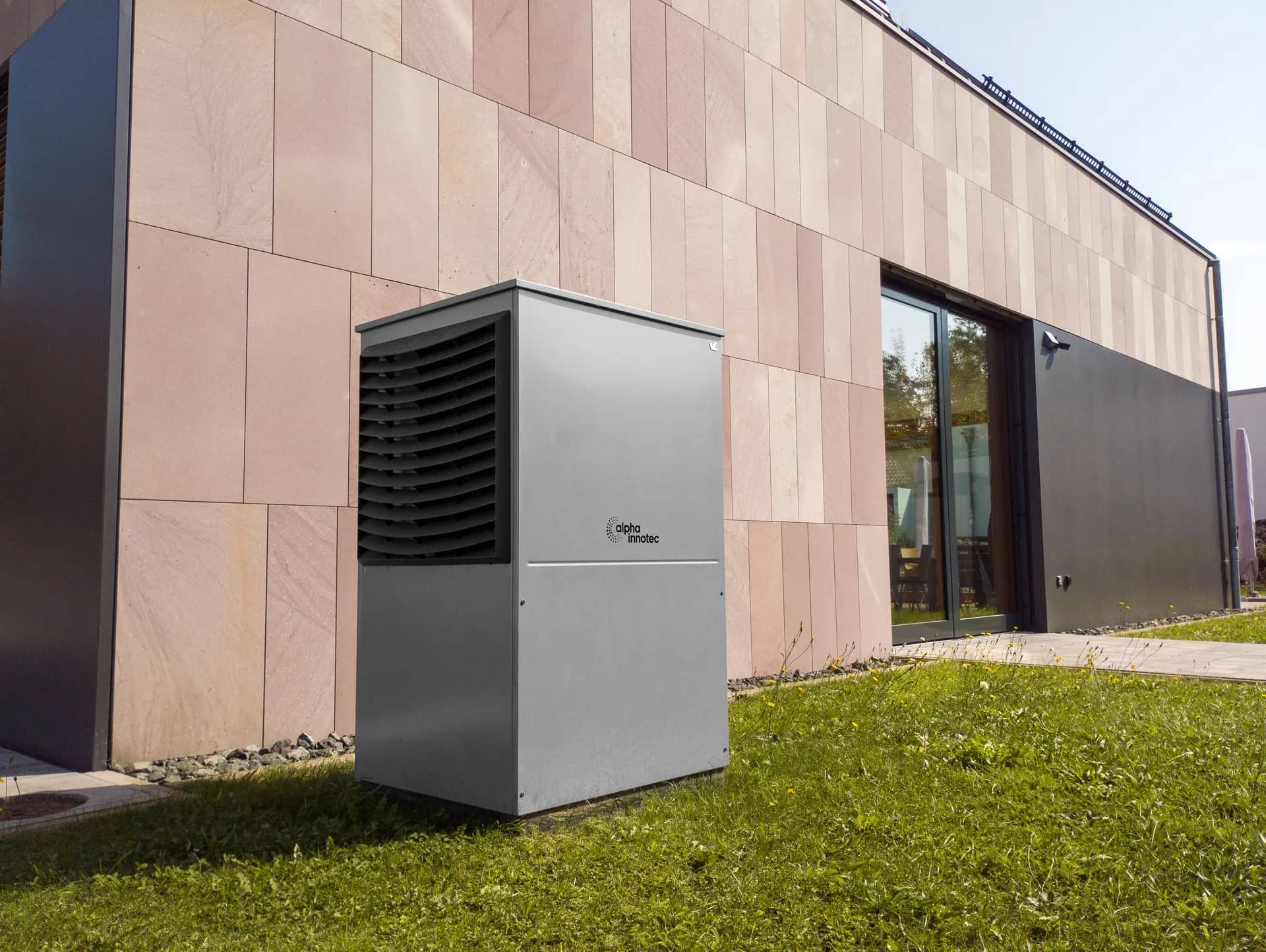
A salt chlorinator produces chlorine only when four things are right: enough salt in the water, clean plates, water flowing through the cell, and a controller asking for output. When chlorine readings stay low, each is checked in turn. Low salt and scaled plates are the most frequent causes; a flow sensor that does not detect flow, often because of air or a low pump speed, stops production entirely.
Equipment guides cover servicing and faults on the plant an existing pool already has.
Cells also wear out. Their coated plates have a finite working life, and an old cell may run without producing much chlorine. Testing salt independently, inspecting the plates and reading the controller’s diagnostics usually distinguishes a worn cell from a fault elsewhere. Meanwhile, the pool is kept sanitised with liquid chlorine so the water does not deteriorate while the cause is found.
The short version
Salt and scale first
Low salt or coated plates are the commonest reasons for low output.
Flow detection
If the sensor does not see flow, the cell will not produce.
Cells wear out
An aged cell can look normal but produce little chlorine.
How it is diagnosed
Independent salt test
Confirms the salt level rather than relying on the cell display.
Cell inspection
Scale, debris and plate wear, plus the condition of the cable and connections.
Flow and controller
Pump speed and run time, the flow sensor, output setting and any fault history.
Quick checks you can make
Look at the output setting
It may have been turned down, or a boost mode left off.
Note warnings and codes
A photo of the display helps diagnosis.
Confirm the pump is running
The cell only produces chlorine while water flows through it.
Common questions
How long does a salt cell last?
It depends on running hours, water balance and how often it has been acid-cleaned. The controller may log its operating hours.
Can I add liquid chlorine meanwhile?
Yes. Keeping chlorine up manually protects the water while the chlorinator is checked.
Why does it say low salt when the test is fine?
Scale on the plates, a worn cell or a sensor fault can produce false low-salt warnings.
Related pool care guides
- A pool light that has stopped workingA related check on the same part of the plant.
- How long to run a pool pump each dayA related check on the same part of the plant.
- Repairing or replacing a pool pumpA related choice about how the pool is looked after.
- When pool pH is too highAnother water problem with a related cause.
This guide sits under pool equipment repair. Browse all pool care guides. We look after pools at homes and commercial properties across Dubai.
Ask about your pool
Tell us where the pool is and what you are seeing. A photograph of the pool and the plant room helps us plan the visit.
Phone
+971 56 181 0106Talk through what the pool is doing and book a time for us to see it.
WhatsApp
Send a messageThe easiest way to send photographs of the pool and plant room.
Next step
Chlorinator not keeping up?
Send your salt reading, the cell model and a photo of the display. We will help find the cause.