Water, clarity and algae
When pool pH is too high
High pH makes chlorine sluggish, clouds the water and leaves scale. In many villa pools it rises every week, for predictable reasons.
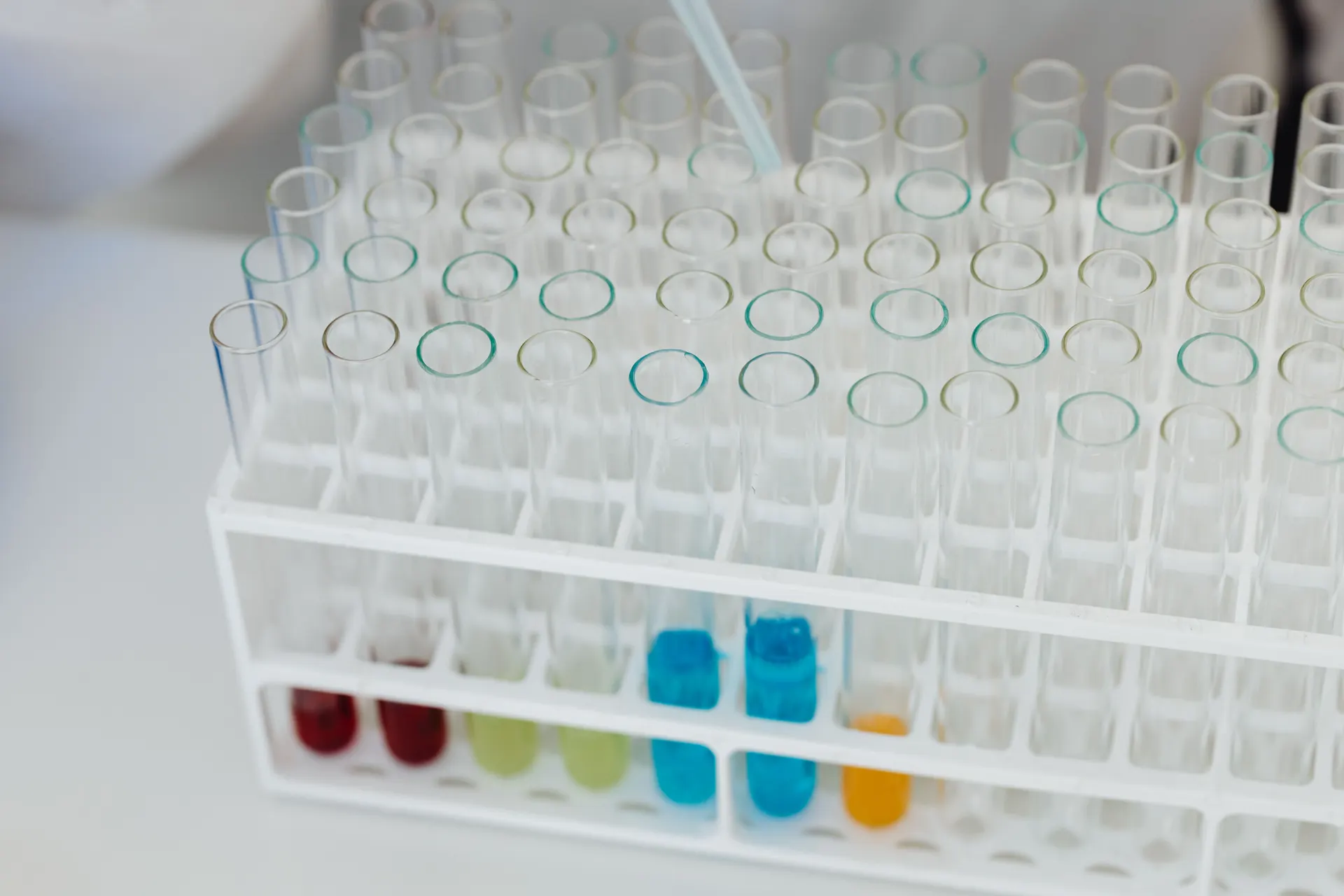
pH measures how acidic or basic the water is. Most residential guidance aims for a pH a little above neutral, commonly around 7.2 to 7.6. Above that range, chlorine becomes much less effective at the same reading, the water can turn dull or cloudy, and calcium starts to drop out as scale on tiles, in the filter and inside heat exchangers and salt cells.
Water guides explain what a reading or a symptom means and the order in which to correct it.
In Dubai pools, pH tends to climb rather than fall. Salt chlorinators push it up as they generate chlorine, water features and spillways drive off carbon dioxide, and new cement-based finishes release alkaline material for months. That is why a pool can need acid every visit even when nothing seems wrong.
The short version
Chlorine works less well
At high pH a larger share of the chlorine is in its weaker form, so the same reading protects the water less.
Scale follows
High pH with hard water leaves crusty deposits on the waterline, in the filter and on equipment.
It usually has a cause
Salt cells, aeration and new finishes push pH up steadily. Treating the cause reduces how much acid is needed.
How high pH is brought down
Acid dosing
Liquid acid or dry acid is added in measured amounts, diluted and spread around the deep end with the pump running, following the product label.
Retesting before adding more
pH is retested after the water has circulated. Adding too much at once overshoots and creates a low-pH problem instead.
Alkalinity first when needed
If total alkalinity is high, pH keeps bouncing back. Lowering alkalinity over a few treatments steadies it.
Check these before reaching for acid
Test alkalinity too
pH and alkalinity are adjusted together; one without the other rarely holds.
Look for aeration
Fountains, spillways and jets aimed at the surface raise pH. Running them less helps.
Check the salt cell output
A cell set higher than the pool needs pushes pH up as well as chlorine.
Common questions
Is high pH dangerous to swim in?
Mildly high pH is mostly uncomfortable — dry skin and stinging eyes — and makes chlorine less effective. It is still worth correcting promptly.
Why does my salt pool always need acid?
Salt chlorination raises pH as part of how it works. Regular, small acid additions are normal in salt pools.
Can I add acid with swimmers in the pool?
No. Acid is added with the pool empty of swimmers and the pump running, and swimming waits until the water has circulated and been retested.
Related pool care guides
- When pool pH is too lowAnother water problem with a related cause.
- Total alkalinity in a poolAnother water problem with a related cause.
- Storing pool chemicals safely at homeA routine task that prevents the same trouble.
- Dealing with a contamination incident in a private poolPool care for a related situation.
This guide sits under pool water treatment. Browse all pool care guides. We look after pools at homes and commercial properties across Dubai.
Ask about your pool
A clear photograph and your latest test reading are usually enough for a useful first answer.
Phone
+971 56 181 0106Talk through what the pool is doing and book a time for us to see it.
WhatsApp
Send a messageThe easiest way to send photographs of the pool and plant room.
Next step
Send us your latest test reading
Tell us the pH and alkalinity you are seeing and whether the pool is salt or chlorine. We will tell you what we would adjust first.