Water, clarity and algae
Total alkalinity in a pool
Alkalinity is the reason some pools hold their pH all week and others swing from one visit to the next.
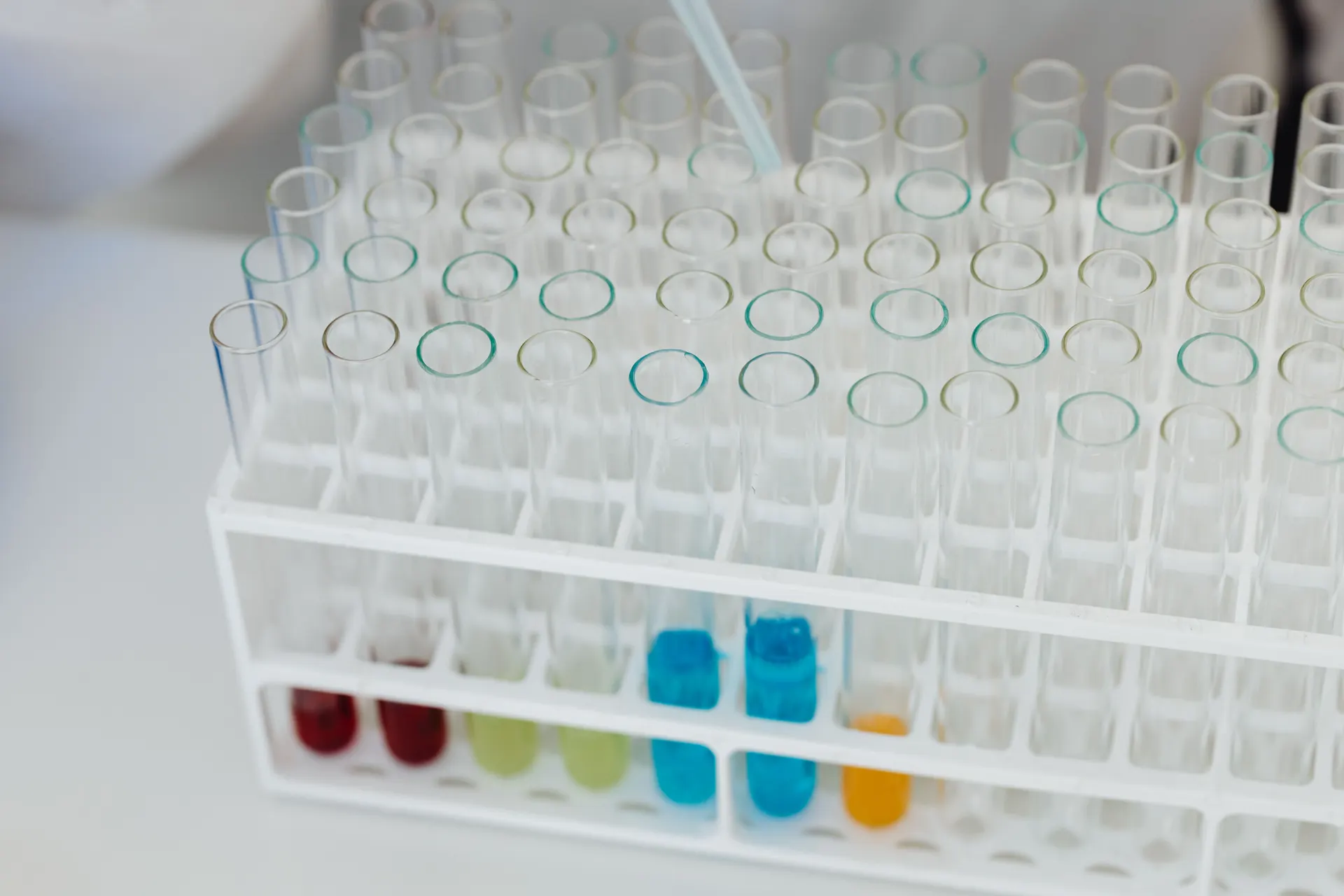
Total alkalinity measures the dissolved substances, mainly bicarbonates, that resist changes in pH. With enough alkalinity, pH stays steady when acid, chlorine or rainwater is added. With too little, pH swings wildly. With too much, pH drifts upward and becomes hard to bring down.
Water guides explain what a reading or a symptom means and the order in which to correct it.
Residential guidance commonly puts alkalinity in a moderate band, adjusted to the type of chlorine used and the pool surface. The key point is that alkalinity is set first and pH second, because alkalinity determines how pH behaves.
The short version
Alkalinity steadies pH
It acts as a buffer so small additions do not swing pH.
Too low makes pH bounce
Readings jump around and corrections overshoot.
Too high makes pH climb
pH drifts upward and keeps needing acid.
Adjusting alkalinity
Raising it
Sodium bicarbonate is the common product, added gradually and retested after circulation.
Lowering it
Acid is added in a concentrated area with the pump off for a short time, then circulated and retested — usually over several treatments.
Matching it to the sanitiser
Salt pools and pools using liquid chlorine often run alkalinity a little lower to reduce pH rise.
When to test alkalinity
Every week or two
It changes slowly but steadily with dosing and top-ups.
After heavy rain or top-ups
Fresh water changes the balance.
When pH will not stay put
Unstable pH is usually an alkalinity problem.
Common questions
Is alkalinity the same as pH?
No. pH is how acidic or basic the water is; alkalinity is how strongly it resists change.
Can I fix pH without fixing alkalinity?
You can, but it often drifts back. Setting alkalinity first makes pH easier to hold.
Does tap water affect alkalinity?
Yes. Top-up water carries its own alkalinity, which is why frequent top-ups in summer change the balance.
Related pool care guides
- Calcium hardness in pool waterAnother water problem with a related cause.
- Stabiliser and cyanuric acid in poolsAnother water problem with a related cause.
- Liquid chlorine or chlorine tabletsA related choice about how the pool is looked after.
- Test strips or a liquid test kitA related choice about how the pool is looked after.
This guide sits under pool water treatment. Browse all pool care guides. We look after pools at homes and commercial properties across Dubai.
Ask about your pool
Describe the pool and the question. We will answer directly, and say when the honest answer is that nothing needs doing.
Phone
+971 56 181 0106Talk through what the pool is doing and book a time for us to see it.
WhatsApp
Send a messageThe easiest way to send photographs of the pool and plant room.
Next step
Let us steady your water balance
Share your recent pH and alkalinity readings. We will suggest an order of adjustments that holds between visits.