Comparing pool care choices
Test strips or a liquid test kit
Both tell you something about your water. How much you need to know decides which one belongs in the plant room.
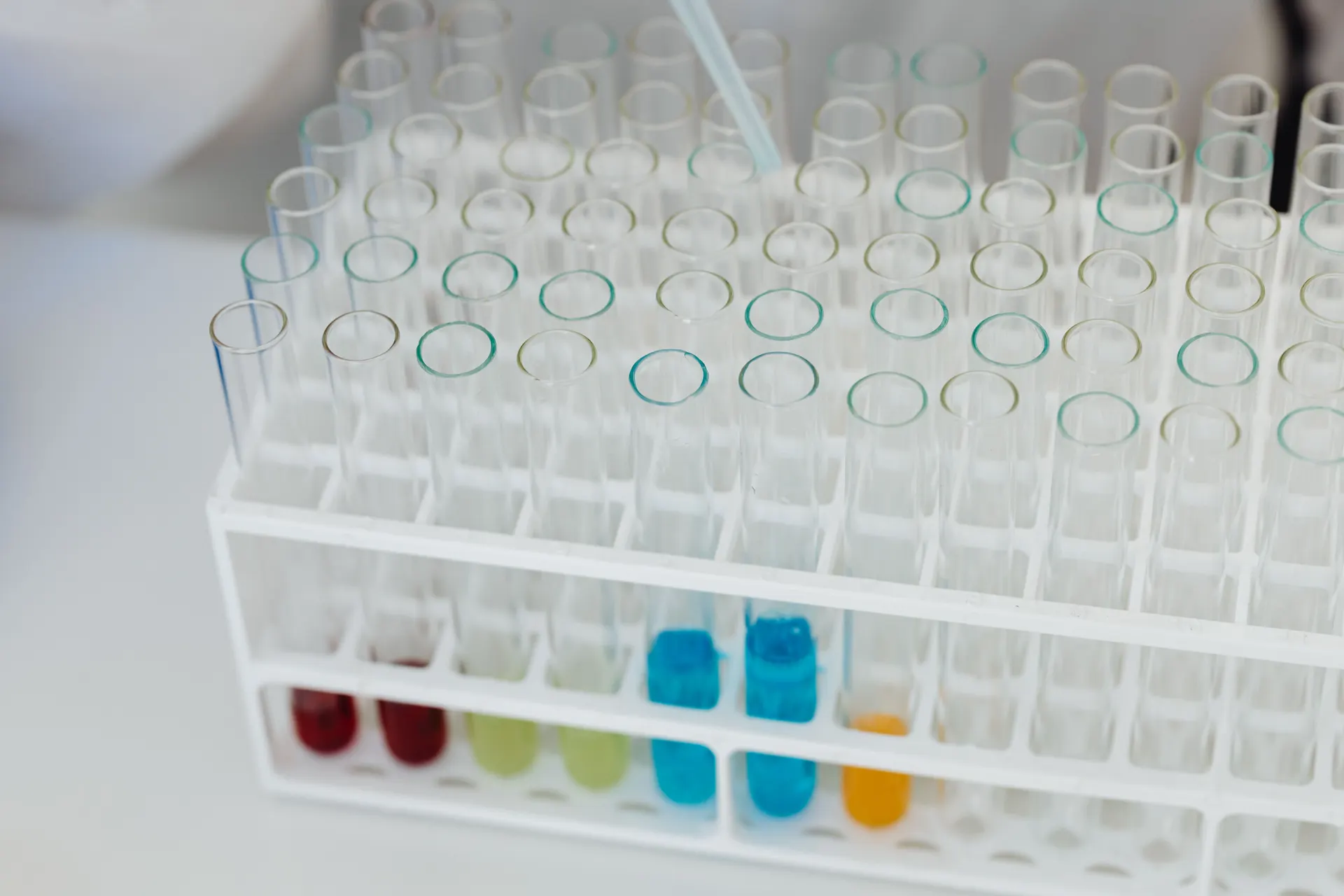
Test strips are quick: dip, wait and compare the coloured pads with a chart. They give an approximate reading for several values at once and are easy for any family member to use. Their weaknesses are precision and storage: colours can be hard to judge, and strips spoil quickly if the tube is left open or kept somewhere hot and humid — common in Dubai plant rooms.
Comparison guides set two pool care choices side by side and say when each suits.
Liquid test kits use reagent drops, and the better ones use titration — counting drops until the colour changes — which gives more precise readings, particularly for free and combined chlorine. They take longer and need care, and reagents also have a shelf life. Many owners use strips for quick weekly checks and rely on the maintenance provider’s more precise testing for decisions.
The short version
Strips for speed
Quick, simple, approximate — good for spotting a change.
Kits for precision
Titration kits give readings you can dose from with confidence.
Both age
Heat and humidity spoil strips and reagents.
Where each one fits
Weekly owner checks
Strips are usually enough to tell whether chlorine and pH are roughly right.
Problem solving
Cloudy water, smell or algae need precise free and combined chlorine readings from a good kit.
Values strips handle poorly
Stabiliser and combined chlorine are hard to read accurately on strips.
For reliable home testing
Keep the tube or kit sealed and cool
Not on a sunny window sill or in a hot plant room.
Check expiry dates
Old strips and reagents read wrongly.
Test at elbow depth
Away from the return jets and chlorine sources.
Common questions
Why do my strips disagree with the technician’s reading?
Strips are approximate, and spoiled strips drift. Precise kits and meters give closer readings.
Are digital readers better?
Some reduce colour-matching errors, but they still depend on the quality of the strips or reagents.
How often should owners test?
Weekly is a useful baseline, more often in summer or after heavy use.
Related pool care guides
- Weekly or fortnightly pool serviceA related choice about how the pool is looked after.
- Doing it yourself or using a pool technicianA related choice about how the pool is looked after.
- When pool pH is too lowAnother water problem with a related cause.
- Total alkalinity in a poolAnother water problem with a related cause.
This guide sits under pool water treatment. Browse all pool care guides. We look after pools at homes and commercial properties across Dubai.
Ask about your pool
Describe the pool and the question. We will answer directly, and say when the honest answer is that nothing needs doing.
Phone
+971 56 181 0106Talk through what the pool is doing and book a time for us to see it.
WhatsApp
Send a messageThe easiest way to send photographs of the pool and plant room.
Next step
Want to test between visits?
Tell us what you test with now. We will suggest the simplest method that suits your pool and routine.