Routine maintenance and cleaning
Brushing a pool properly
Brushing is the least glamorous pool task and one of the most effective. Algae starts as a thin film that brushing removes before anyone sees it.
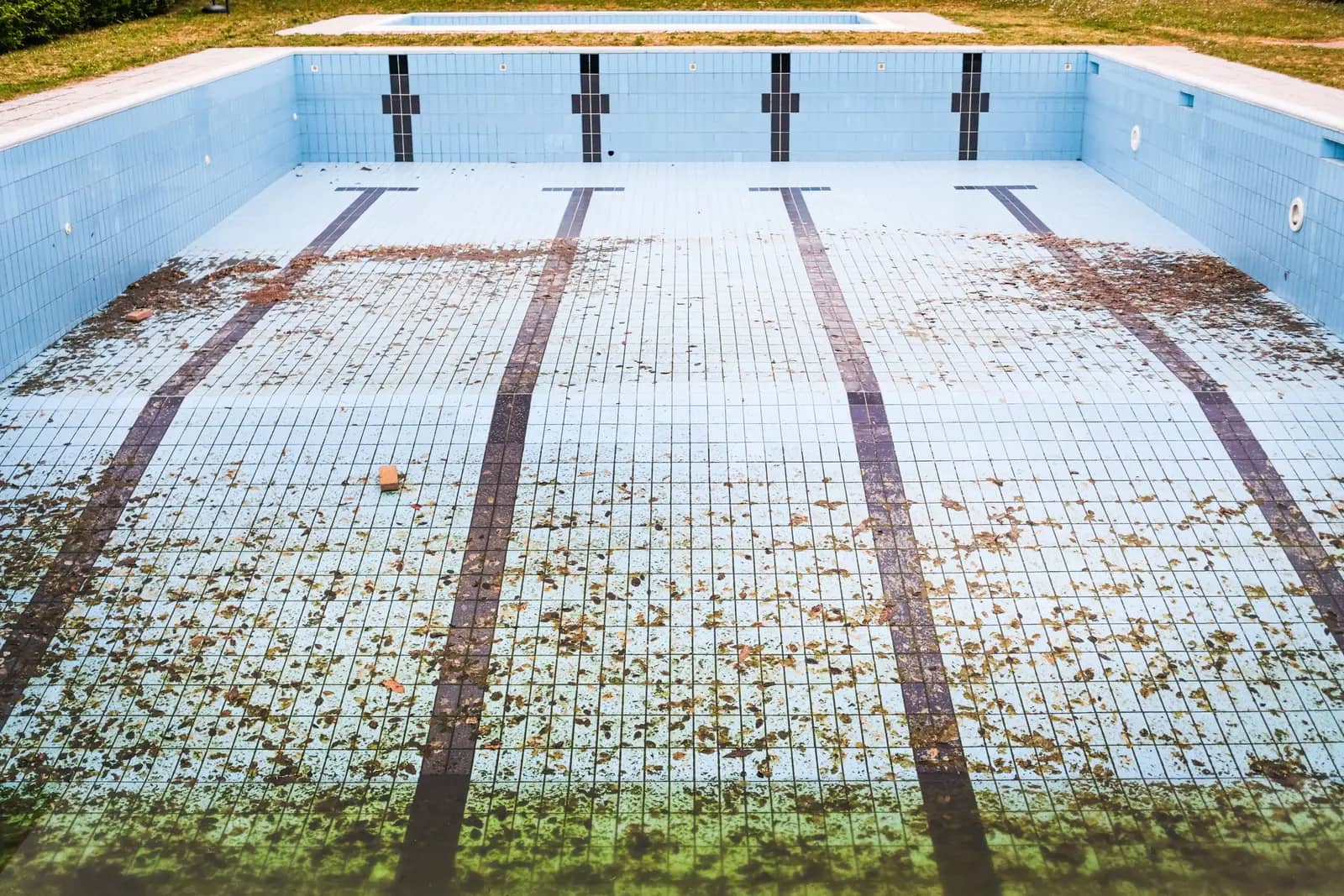
Pool surfaces develop a thin biofilm where algae and bacteria can settle, particularly in places the circulation does not reach well: behind ladders, on steps and benches, in corners, around lights and along the waterline. Brushing breaks that film up and lifts it into the water, where chlorine and the filter can deal with it.
Routine guides describe one part of regular pool care and how to do it properly.
The brush must suit the surface. Stiffer brushes are used on plaster and pebble finishes; softer ones on glass mosaic, tiles and vinyl to avoid scratching. Brushing in long strokes towards the main drain or deep end, and covering the difficult spots first, does more than a quick sweep of the visible floor.
The short version
Brushing removes biofilm
It stops algae before it becomes visible.
Match the brush to the finish
The wrong bristles can scratch tiles or barely touch plaster.
Corners and steps first
Low-circulation areas are where problems start.
Brushing technique
Order of work
Steps, corners, ladders and light niches first, then walls from the waterline down, then the floor.
Direction
Long strokes towards the main drain so debris is drawn into the filtration system.
Afterwards
Let the debris settle or filter out, then vacuum anything left on the floor.
Make brushing count
- 01
Brush at least weekly
More often in summer and after heavy use.
- 02
Check the brush head
Worn or splayed bristles clean poorly.
- 03
Rinse the brush
Especially after treating algae, to avoid carrying it back.
Common questions
Does a robotic cleaner make brushing unnecessary?
No. Robots reach floors and some walls, but steps, corners and the waterline still need brushing.
How often should a pool be brushed?
Weekly as a baseline, more often in hot weather or when algae has been a problem.
Can brushing scratch the pool?
A stiff brush on glass mosaic or vinyl can. Choose a brush designed for the finish.
Related pool care guides
- Vacuuming a poolA routine task that prevents the same trouble.
- Keeping skimmers and baskets workingA routine task that prevents the same trouble.
- Removing scale from pool tilesAnother water problem with a related cause.
- A robotic pool cleaner that is not working properlyA related check on the same part of the plant.
This guide sits under pool cleaning. Browse all pool care guides. We look after pools at homes and commercial properties across Dubai.
Ask about your pool
Describe the pool and the question. We will answer directly, and say when the honest answer is that nothing needs doing.
Phone
+971 56 181 0106Talk through what the pool is doing and book a time for us to see it.
WhatsApp
Send a messageThe easiest way to send photographs of the pool and plant room.
Next step
Want brushing included properly?
Tell us your pool’s finish. We will make sure brushing is matched to the surface in your routine.