Water, clarity and algae
How often to test pool water
Testing often enough catches a problem while it is still a number, not a green pool. Season and use decide how often that is.
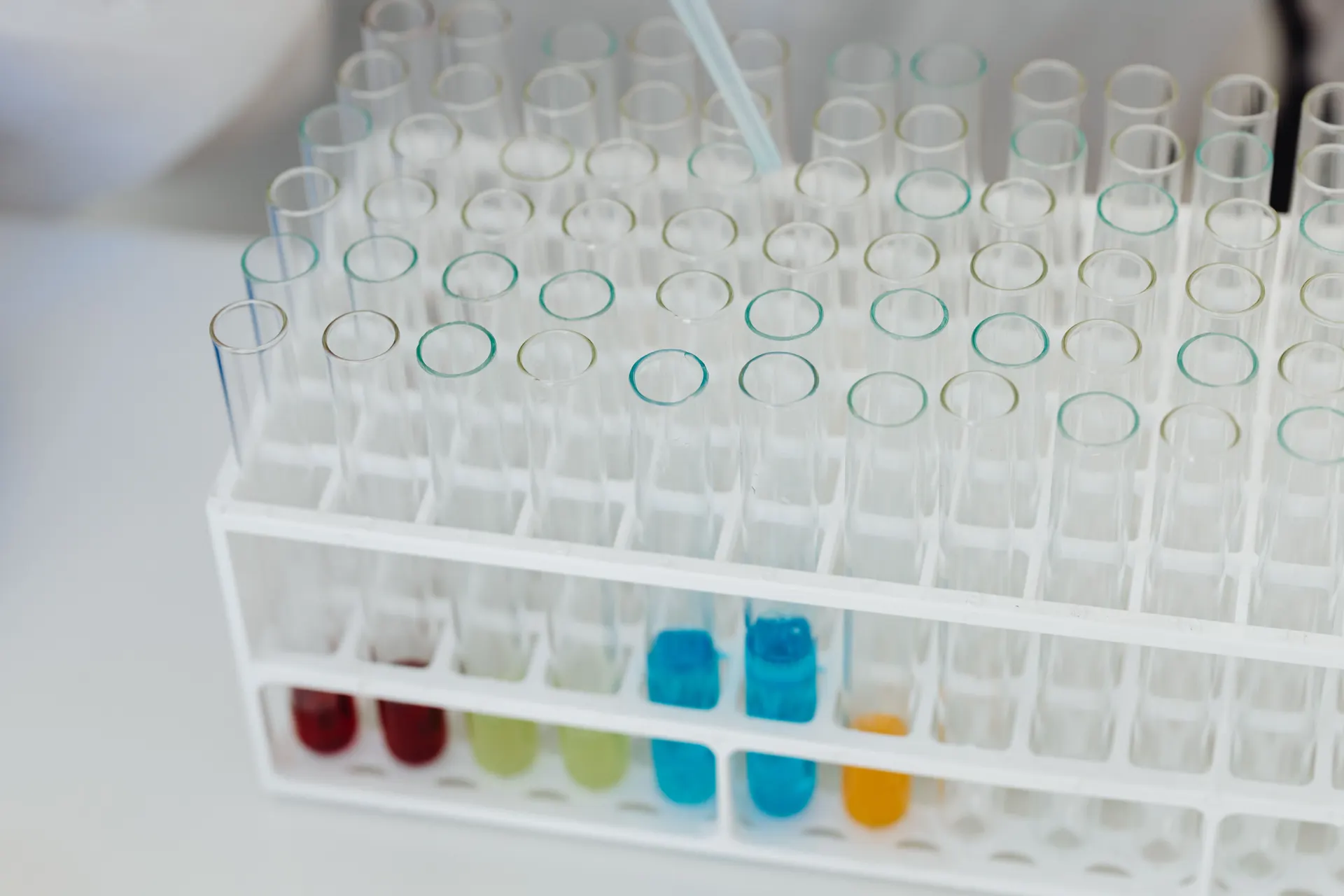
How often to test pool water follows the season and the use, not a fixed calendar. In the Dubai summer, when the sun and the heat burn off chlorine faster and the pool is used more, the water is tested more often. In the cooler months, the same pool can go longer between tests.
Water guides explain what a reading or a symptom means and the order in which to correct it.
The routine that matters is the trend, not a single reading. Testing the chlorine and pH regularly, and writing the results down, shows a problem developing before the water changes. Certain events — rain, a party, a sandstorm, heavy use — mean testing again straight away.
The short version
Season and use
Test more in summer and after heavy use, less in the cooler months.
The trend matters
A log of results shows a problem developing before the water changes.
After events
Rain, a party or a sandstorm means testing again straight away.
What a testing routine covers
Chlorine and pH
The two read most often, because they drift the fastest.
Alkalinity and stabiliser
Checked less often, because they move slowly but set how the others behave.
The log
Results written down, so a drift is seen early rather than guessed at.
Before setting a routine
Know the season
Summer needs more frequent testing than winter.
Know the use
A pool used daily is tested more than one used at weekends.
Keep a log
Whether the results are written down so the trend is visible.
In practice
Set the testing rhythm from the season and the use, not a fixed calendar, and write the results down so a drift shows before the water changes. Test chlorine and pH most often, alkalinity and stabiliser less often, and test again after rain, a party or a sandstorm.
Mistakes to avoid
Testing on a fixed calendar
A winter rhythm is not enough in summer. The heat and the use decide how often to test.
Not writing results down
A single reading only tells you about that moment. A log shows a problem developing.
Common questions
How often should I test in summer?
More often than in winter, because the heat and sun burn off chlorine faster and the pool is used more. The exact rhythm follows the pool and the use.
Should I test after it rains?
Yes. Rain changes the balance and dilutes the water, so the chlorine and pH are checked again after it.
Why write the results down?
Because a trend shows a problem developing before the water changes. A single reading only tells you about that moment.
Related pool care guides
- Adjusting pool alkalinityAnother water problem with a related cause.
- When pool pH is too highAnother water problem with a related cause.
- Chlorine shock or non-chlorine shockA related choice about how the pool is looked after.
- Storing pool chemicals safely at homeA routine task that prevents the same trouble.
This guide sits under pool water treatment. Browse all pool care guides. We look after pools at homes and commercial properties across Dubai.
Ask about your pool
Describe the pool and the question. We will answer directly, and say when the honest answer is that nothing needs doing.
Phone
+971 56 181 0106Talk through what the pool is doing and book a time for us to see it.
WhatsApp
Send a messageThe easiest way to send photographs of the pool and plant room.
Next step
Not sure how often to test?
Tell us the pool size and how it is used. We will set a testing rhythm that catches problems early.