Water, clarity and algae
Phosphates in pool water
Phosphates are a nutrient for algae. They matter most in pools where chlorine is not held steadily.
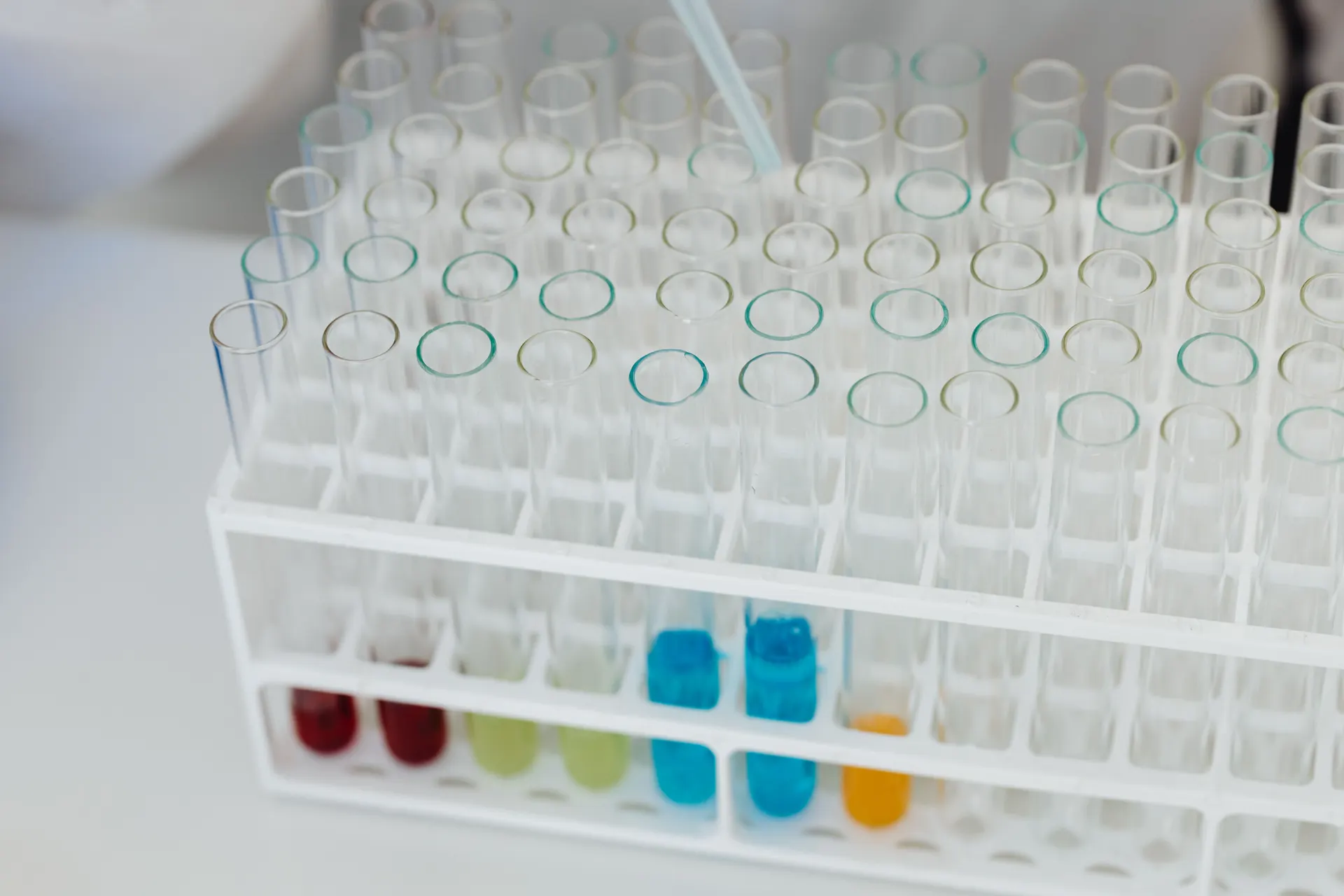
Phosphates reach pool water from garden fertiliser carried by irrigation and rain, from leaves and flowers, from dust, from some cleaning products and sometimes from top-up water. They are not a health concern for swimmers, but they are a food source for algae, which grows faster when phosphates are high and chlorine dips.
Water guides explain what a reading or a symptom means and the order in which to correct it.
A phosphate remover binds phosphates so the filter can catch them. It can help in pools with high levels and recurring algae, especially near heavily planted gardens. It is not a substitute for sanitation: a pool that holds steady chlorine and good filtration rarely grows algae whatever its phosphate level.
The short version
They feed algae
High phosphates let algae take hold faster whenever chlorine dips.
Gardens are the usual source
Fertiliser and irrigation run-off near the pool are common contributors.
Removal supports chlorine
It reduces algae pressure but does not replace sanitising.
Dealing with phosphates
Testing first
A phosphate test shows whether levels are worth treating before money is spent on removers.
Using a remover
Dosed to the label, followed by filtration and a filter clean, since the bound phosphate collects in the media.
Cutting the source
Adjusting irrigation spray near the pool and keeping fertiliser away from pool edges reduces the inflow.
Consider phosphates if
Algae returns despite good chlorine
Phosphates may be helping it recover between visits.
Lawns or planters drain towards the pool
Fertilised run-off is a steady source.
Heavy leaf or flower fall
Decaying plant matter adds phosphates.
Common questions
Are phosphates harmful to swimmers?
No. They matter only because algae uses them.
Does every pool need a phosphate remover?
No. Most pools with steady chlorine never need one.
Why did the water cloud after adding a remover?
Bound phosphate can cloud the water briefly until the filter removes it.
Related pool care guides
- A pool that turns cloudy after shockingAnother water problem with a related cause.
- Partially draining and refilling a poolAnother water problem with a related cause.
- Storing pool chemicals safely at homeA routine task that prevents the same trouble.
- Dealing with a contamination incident in a private poolPool care for a related situation.
This guide sits under pool water treatment. Browse all pool care guides. We look after pools at homes and commercial properties across Dubai.
Ask about your pool
Describe the pool and the question. We will answer directly, and say when the honest answer is that nothing needs doing.
Phone
+971 56 181 0106Talk through what the pool is doing and book a time for us to see it.
WhatsApp
Send a messageThe easiest way to send photographs of the pool and plant room.
Next step
Recurring algae problems?
Tell us about your garden and how often algae returns. We will test for phosphates and look at the whole picture.