Commercial pools
Closing a commercial pool for treatment
Closing a shared pool is never popular. Closing it for the right reasons, briefly and with clear notices, keeps users’ trust.
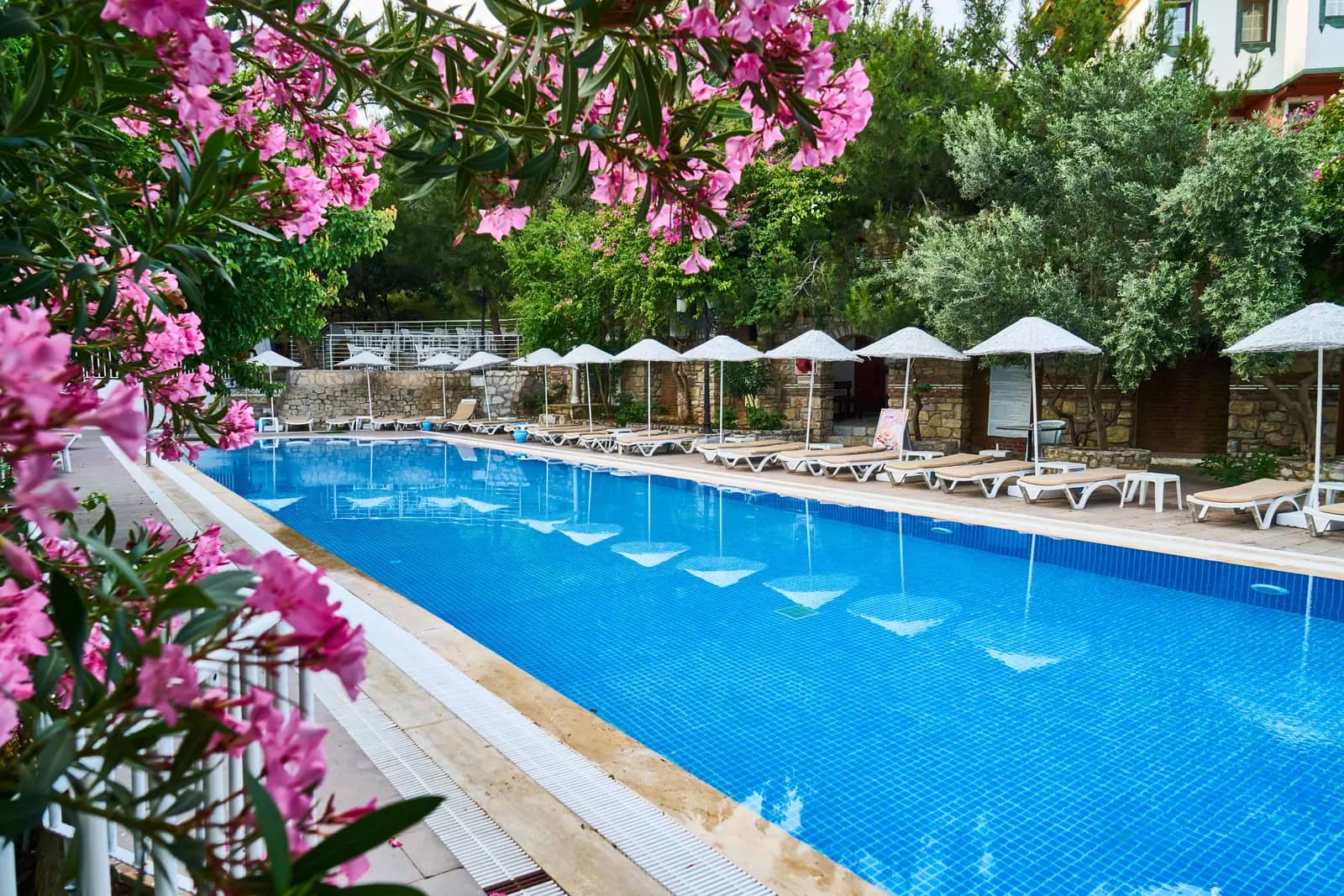
Some situations call for a commercial pool to close until the water is right again. The usual triggers are water too cloudy to see the floor of the deep end clearly, readings outside the safe range that cannot be corrected with swimmers present, a faecal or vomit incident, a shock treatment that raises chlorine above swimming levels, and an equipment failure that stops circulation or dosing. In each case, swimming resumes only when the water has been treated and checked.
Commercial guides cover pools at towers, compounds, hotels, gyms and clubs.
A written procedure makes closures quicker and less contentious. It names who can close the pool, how users are told, how the treatment is carried out and recorded, and what must be confirmed before reopening. Where possible, treatments are scheduled for evenings or early mornings so the pool is closed when few people want it.
The short version
Close for clear, recorded reasons
Poor visibility, unsafe readings, contamination or treatments that make swimming unsafe.
Tell users why and until when
A notice with a reason and an expected reopening time reduces complaints.
Reopen on evidence
Clear water and readings back in range, both recorded, before anyone swims.
A simple closure procedure
Deciding
The management team decides, on the maintenance provider’s advice; both know in advance who can act out of hours.
Treating
The treatment is carried out with the pool empty and the steps, doses and times recorded.
Reopening
A retest and a visual check confirm the pool is ready, and the reopening time is logged and announced.
Prepare before you need it
Notice templates
Ready-written notices for treatment closures and incidents, with space for a reopening time.
A contact list
Who must be told: management, security, reception or residents’ channels.
A log format
For closure reason, actions, readings and reopening.
Common questions
How long does a closure usually last?
It depends on the reason. Many treatments allow reopening once chlorine falls back to normal and the water is clear.
Can treatments avoid daytime closures?
Often, by scheduling shock treatments in the evening so the pool is ready by morning.
Who confirms the pool is safe again?
The maintenance provider tests and checks the water; management makes the reopening decision.
Related pool care guides
- What a commercial pool maintenance agreement should coverAnother part of running a commercial pool.
- Taking over a community pool from the developerAnother part of running a commercial pool.
- When pool pH is too highAnother water problem with a related cause.
- When pool pH is too lowAnother water problem with a related cause.
This guide sits under commercial pool maintenance. Browse all pool care guides. We look after pools at homes and commercial properties across Dubai.
Ask about your pool
Describe the pool and the question. We will answer directly, and say when the honest answer is that nothing needs doing.
Phone
+971 56 181 0106Talk through what the pool is doing and book a time for us to see it.
WhatsApp
Send a messageThe easiest way to send photographs of the pool and plant room.
Next step
Need a closure procedure?
Tell us about your pool and who manages it. We will help you set out a clear closure and reopening procedure.