Water, clarity and algae
Pool TDS explained
Total dissolved solids is everything dissolved in the water that is not water. When it climbs too high, the chemistry stops behaving.
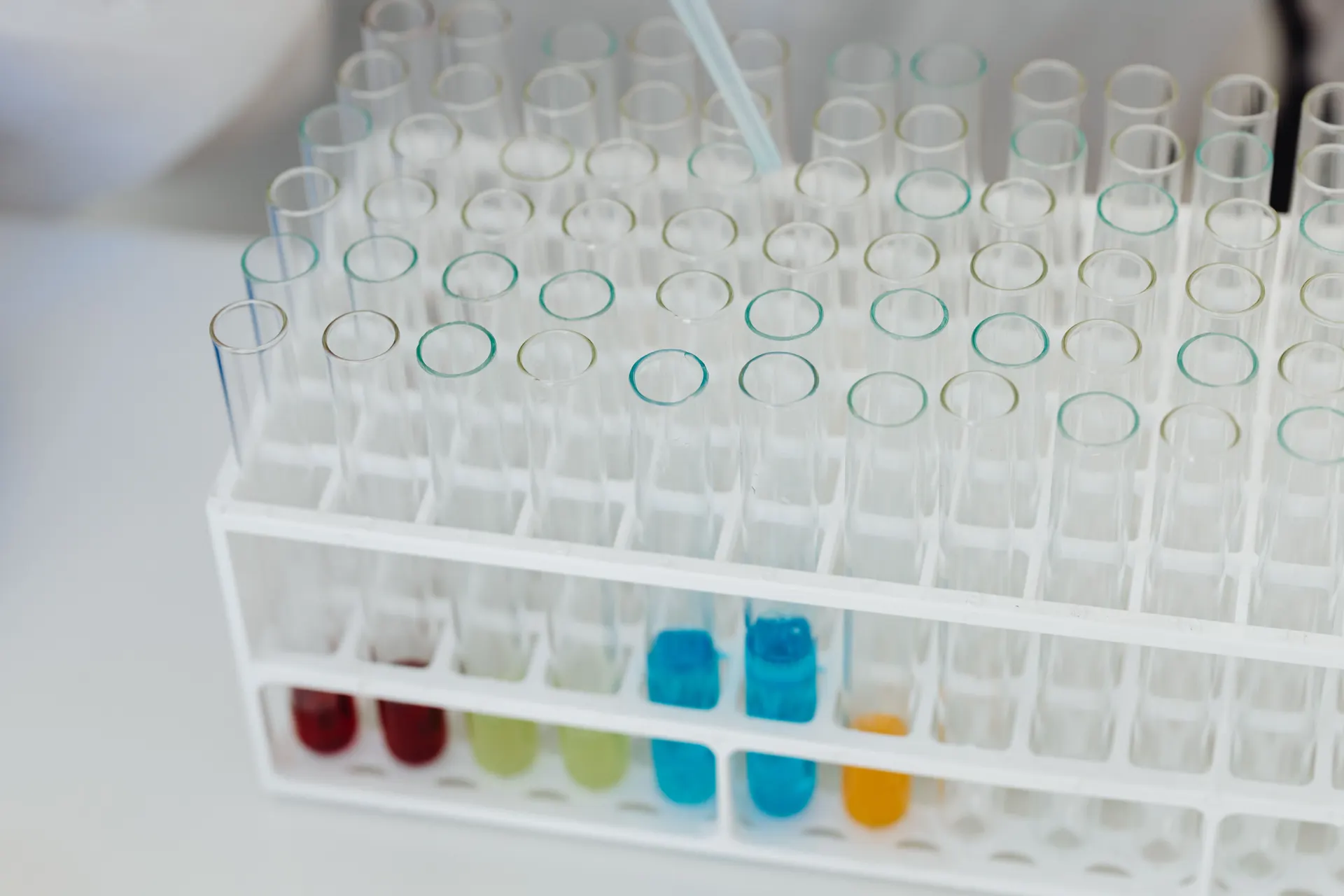
Total dissolved solids (TDS) is the measure of everything dissolved in the pool water — minerals, salts and the residue of everything that has ever been added. As the pool is used and dosed, the TDS slowly climbs, because most of what goes in does not evaporate out. A rising reading is normal; a very high reading is a problem.
Water guides explain what a reading or a symptom means and the order in which to correct it.
High TDS makes the water harder to keep in balance, can leave it looking dull, and reduces how well the sanitiser works. The practical fix is dilution — draining part of the water and topping up with fresh — because there is no chemical that removes TDS.
The short version
What it measures
Everything dissolved in the water that is not water itself.
Why it climbs
Most of what is added stays behind as water evaporates, so TDS rises over time.
The fix is dilution
Partially draining and refilling is how a high reading comes back down.
What TDS affects
Water balance
High TDS makes the chemistry harder to hold and the water easier to tip out of range.
Clarity and feel
The water can look dull and feel different against the skin.
Sanitiser efficiency
A high reading can reduce how well the chlorine does its job.
Before acting on a high reading
Confirm the reading
Check the TDS with a reliable meter or a test, not just once.
Check the water source
Know what the fill water reads, so you know the baseline.
Plan the dilution
How much to drain and refill to bring the reading down.
In practice
Confirm the reading before acting, and know the TDS of the fill water so you know the baseline. High TDS is lowered by dilution — draining part of the pool and refilling — because no chemical removes dissolved solids. Watch the trend over time rather than reacting to one reading.
Mistakes to avoid
Chasing TDS with chemicals
No chemical removes dissolved solids. The only fix is dilution, so a high reading is corrected by draining and refilling.
Ignoring the fill water
If the fill water itself reads high, the TDS will climb again after dilution. Know the baseline.
Common questions
What is a normal TDS reading?
It depends on the fill water and the pool, so there is no single number. What matters is the trend: a reading that keeps climbing and the water becoming harder to balance.
How do you lower TDS?
By dilution — draining part of the pool and refilling with fresh water. No chemical removes dissolved solids.
Why is my TDS always high?
Usually the fill water itself is high, or the pool has gone a long time without dilution. The baseline of the fill water is worth knowing.
Related pool care guides
- How often to test pool waterAnother water problem with a related cause.
- Adjusting pool alkalinityAnother water problem with a related cause.
- Stabilised or unstabilised chlorineA related choice about how the pool is looked after.
- Chlorine shock or non-chlorine shockA related choice about how the pool is looked after.
This guide sits under pool water treatment. Browse all pool care guides. We look after pools at homes and commercial properties across Dubai.
Ask about your pool
Describe the pool and the question. We will answer directly, and say when the honest answer is that nothing needs doing.
Phone
+971 56 181 0106Talk through what the pool is doing and book a time for us to see it.
WhatsApp
Send a messageThe easiest way to send photographs of the pool and plant room.
Next step
Water getting hard to balance?
Tell us your recent readings and the fill water. We will advise on dilution and the balance.