Particular pools and situations
Pool care in a heatwave
A heatwave pushes the chlorine, the water level and the pump all at once. The routine tightens for the hottest stretch.
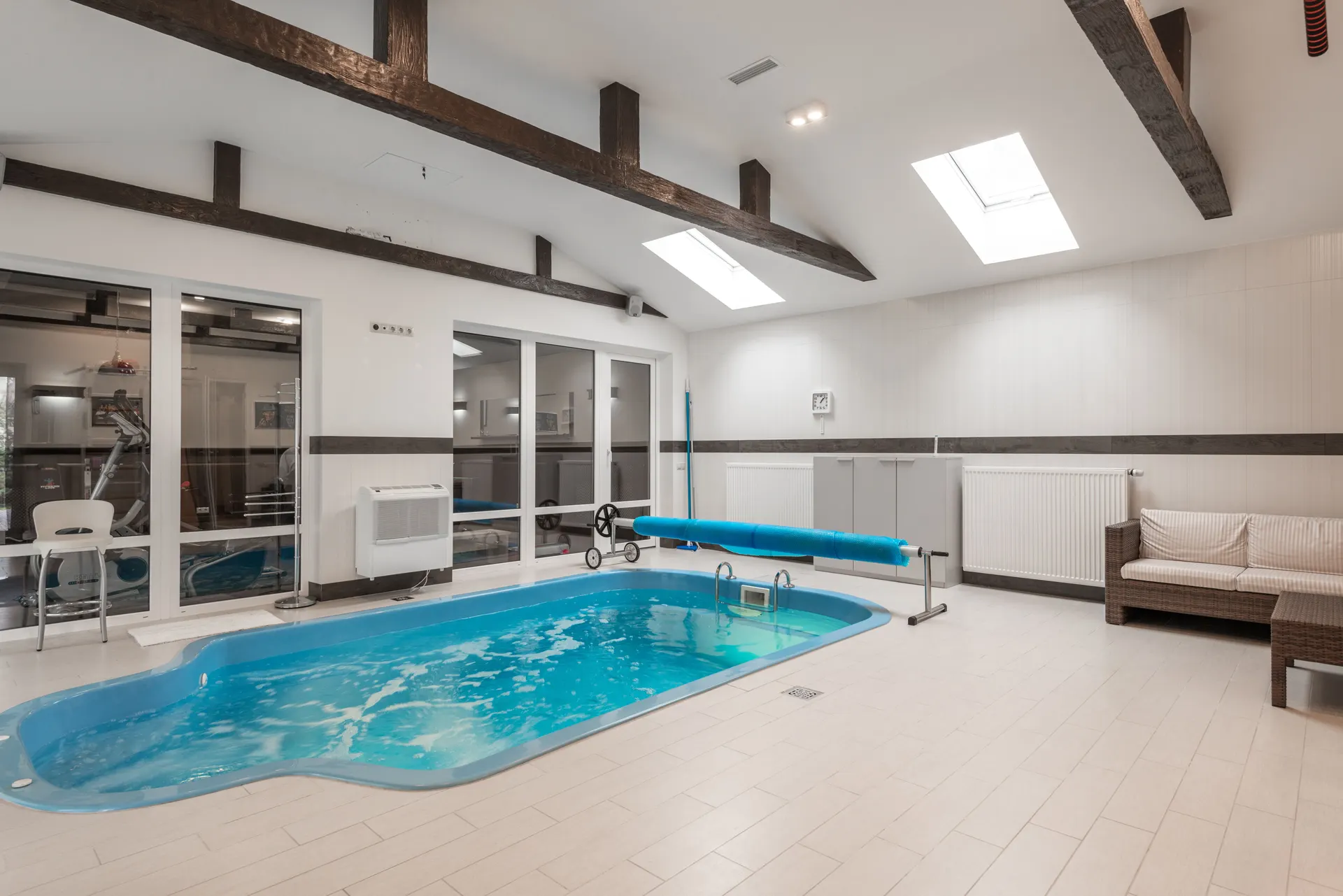
A heatwave is the hardest few weeks of the year for a pool. The sun burns off chlorine faster, the water evaporates more, and the pool is usually used more. The routine that held the pool clear through spring is often not enough through the hottest stretch, and the pool shows it as cloudiness or a green tint.
These guides adapt pool care to a particular season, household or type of pool.
The response is three things: top the chlorine up to match the higher demand, watch the water level because evaporation drops it faster, and make sure the pump runs enough hours to turn the water over in the heat. Each is a small change that, together, keeps the pool clear when it is working hardest.
The short version
Chlorine demand
The heat and sun burn off chlorine faster, so the dose rises with the temperature.
Evaporation and level
The water drops faster, and the level is checked and topped up more often.
Pump hours
The pump runs enough hours to turn the water over in the heat.
What changes in a heatwave
The chlorine
Tested more often and topped up to match the higher demand.
The water level
Checked and topped up, because evaporation drops it faster.
The pump
Run long enough to turn the water over in the heat.
Before the heat arrives
Raise the chlorine
Whether the dose matches the coming heat, not the spring.
Check the level
Whether the water level is right before evaporation accelerates.
Confirm the pump hours
Whether the run time suits the hotter water.
In practice
Raise the chlorine dose to match the higher demand, check the water level more often because evaporation accelerates, and confirm the pump hours still turn the water over in the heat. Test more often through the hot stretch rather than holding a fixed routine, and watch for the first sign of cloudiness.
Mistakes to avoid
Holding the spring dose
The chlorine that held the pool through spring is not enough in a heatwave. The dose has to rise with the demand.
Ignoring the falling level
Evaporation drops the level faster in the heat, and a low level starves the skimmer and the pump.
Common questions
Why does the pool turn green in a heatwave?
The heat and sun burn off chlorine faster, and the higher use adds more demand. If the dose does not rise with it, the pool falls behind and the green starts.
How much more chlorine does a heatwave need?
It depends on the pool and the sun, so there is no single figure. The point is to test more often and top up to match the demand, not to hold a fixed dose.
Do pump hours need to rise in the heat?
Often yes, because the hotter water needs turning over to stay clear, and the higher chlorine demand needs the circulation to carry it.
Related pool care guides
- A pool chemical spillPool care for a related situation.
- Looking after the pool while you are awayPool care for a related situation.
- Aiming the pool return jetsA related check on the same part of the plant.
- Checking a villa pool plant roomA related check on the same part of the plant.
This guide sits under pool maintenance. Browse all pool care guides. We look after pools at homes and commercial properties across Dubai.
Ask about your pool
Describe the pool and the question. We will answer directly, and say when the honest answer is that nothing needs doing.
Phone
+971 56 181 0106Talk through what the pool is doing and book a time for us to see it.
WhatsApp
Send a messageThe easiest way to send photographs of the pool and plant room.
Next step
Preparing for the hot stretch?
Tell us the pool and how it has behaved. We will set the chlorine, level and pump hours for the heat.